People told frightening stories long before there was a horror shelf. This is one route through the written genre, with a detour into film. Watch what happens when the source of fear moves from an ancestral castle to a laboratory, a school, or the television in your own home.
Castles, ghosts, and experiments
1764 · The Castle of Otranto
Horace Walpole drops a giant helmet into a wedding plot. Beneath the spectacle is a fight about power and inheritance. The castle gives the family’s wrongdoing somewhere to come back and find it.
1776 · Tales of Moonlight and Rain
Ueda Akinari’s Japanese collection draws on literary traditions distinct from the British Gothic. Its supernatural encounters offer another way to see an old horror device at work. A person you thought you’d lost can return, and getting what you wished for can be the beginning of the trouble.
1818 · Frankenstein
Mary Shelley makes the source of horror a person’s decision to create life and then abandon what he has made. The creature can speak for himself. The novel gives readers reason to fear him and reason to ask what he was owed.
1897 · Dracula
Bram Stoker’s vampire can be tracked through diaries, letters, and other records. The characters have modern tools for assembling evidence. They still have to persuade one another that the danger those records point to is real.
Trouble at home
1959 · The Haunting of Hill House
Shirley Jackson makes a house feel dangerous through the attention it seems to pay to one person. Eleanor’s need for somewhere to belong makes that attention unsettling in ways a plainly visible ghost could never be.
1974 · Carrie
Stephen King places supernatural power in the hands of a teenager a school has already made vulnerable. The prom is frightening before Carrie’s power breaks loose. Much of the threat is somebody deciding which humiliation everyone else will let them get away with.
Old fears find new routes
1991 and 1998 · Ring
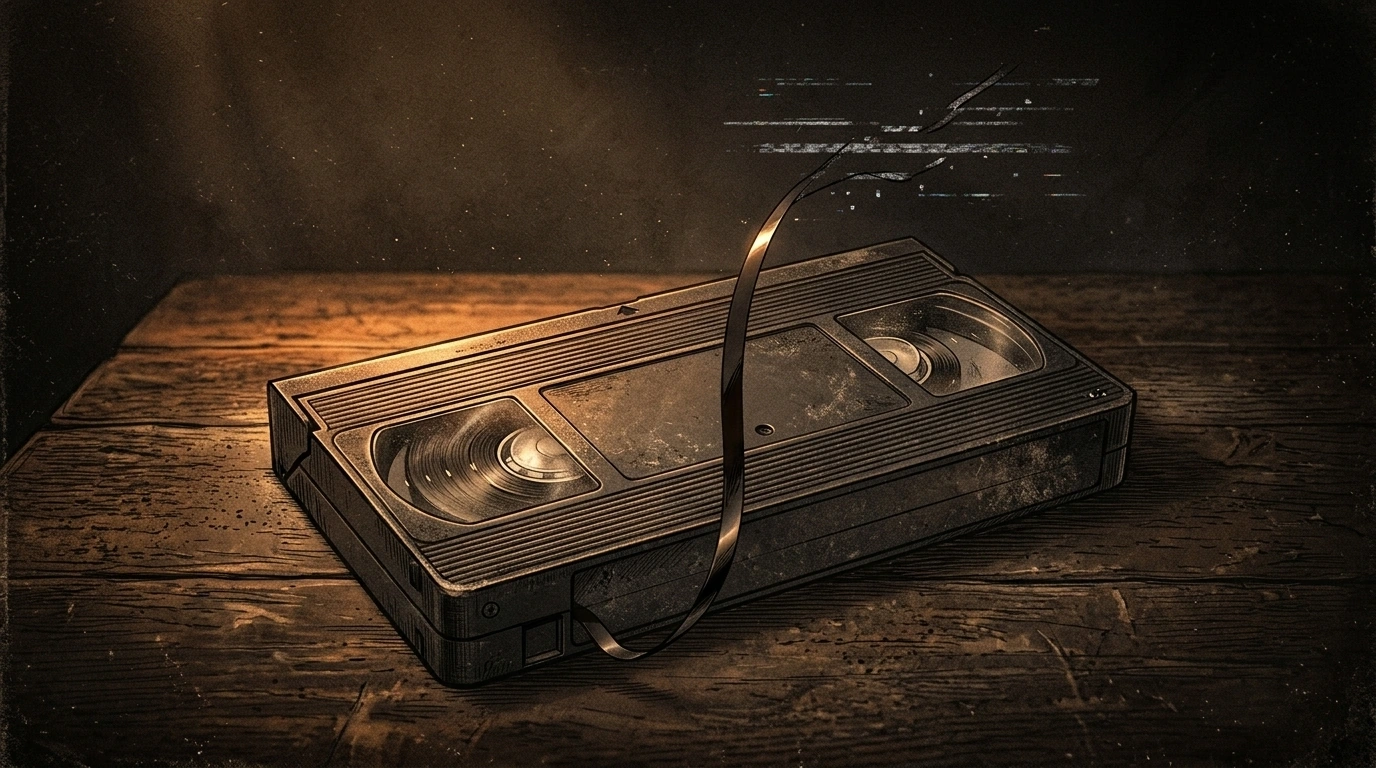
Koji Suzuki’s novel and Hideo Nakata’s film put a curse on a videotape. A home entertainment device becomes a way for the story to reach people who think they’re safe on the sofa. The film helped open a route into Japanese horror for audiences outside Japan.
2020 · Mexican Gothic
Silvia Moreno-Garcia sends a young woman to a remote house in 1950s Mexico. The old Gothic setup still works. Moving it changes what the family’s hold on the house asks readers to notice about wealth, power, and who gets used to keep them.
Read What is horror? · Browse the Horror drawer
Source note
Selected references: British Library on Gothic and horror collections, UCLA’s Gothic Fiction guide, Columbia University Press on Ueda Akinari, National Book Foundation on Shirley Jackson, Stephen King on Carrie, Kodansha on Ring, BFI on Ring and Japanese ghost stories, and Penguin Random House on Mexican Gothic.