Historical romance is fiction set in the past with a central love story and an emotionally satisfying, hopeful ending for the people in it. The period shapes how they meet, what they can risk, and what it would take to build a life together. A duke who needs an heiress, a schoolteacher on the Kansas plains who wants nothing to do with a soldier, and a pair of spies on opposite sides of the Civil War are all facing the same question: what will this world let them have?
What does the past change?
A dance might give two people their best chance all evening to speak directly. What one of them decides to say before the music stops could change the courtship. A public introduction, a letter carried by someone untrustworthy, or the cost of a train ticket might change the course of a courtship just as much as a declaration of love.
The Regency is one familiar setting. An earlier court, a frontier town, or a city where new kinds of work are changing who can afford to live independently will give a couple different choices. That’s one reason the same trope can feel fresh in another period.
Common tropes

Wed First, Woo Later.
In a marriage of convenience, two people marry for money, a title, a home, or a child’s sake, and only afterward find out who they’ve married. The vows are already spoken, so the suspense lies in whether the feelings will ever catch up.

Caught in the Library.
A closed door, a torn hem, or a single witness can make marriage seem like the quickest way out of a scandal. In a world where reputation can be lost in a minute, the scandal is often what forces two people to take each other seriously.

The Rake Reforms.
A charming scoundrel with a long list of conquests meets the one person who refuses to be impressed. The fun is in watching him change, and in finding out whether the reputation was ever the whole story.
Historical romance subgenres

Regency romance is set in early nineteenth-century Britain, among ballrooms, calling cards, and the marriage mart. Georgette Heyer made it a world readers could return to, and Julia Quinn’s Bridgerton books, beginning with The Duke and I, brought it to a new generation.

Victorian romance and Gilded Age romance explore distinct settings shaped by reform movements and new money. In Evie Dunmore’s Bringing Down the Duke, the campaign for women’s suffrage shapes a courtship in Victorian Britain. Joanna Shupe’s Magnate takes the reader into the world of Gilded Age New York finance.

Highland romance offers stories of Scottish castles, clans, and arranged alliances. Julie Garwood’s The Secret and The Bride are much-loved examples, in which loyalty to a family or a clan is as hard to negotiate as love.

American historical romance covers frontier towns, cattle drives, the Civil War, and the long years after it. Beverly Jenkins’s Night Song and Alyssa Cole’s An Extraordinary Union centre Black characters in periods that publishing long told mostly from other points of view.

Beyond the Ballroom: A romance might unfold at the Tang court, in a 1920s city, or amid the upheaval of the Second World War. Each setting changes who can meet, what they can risk, and what it might cost them to be together. For a first stop, try Jeannie Lin’s Butterfly Swords, set in Tang dynasty China.
These subgenres overlap, and many authors write in more than one. Readers can also explore other settings, such as the 1920s and the Second World War. If you love a sharp-tongued heroine in a ballroom but never quite warm to a Highlander, you already know something useful about what to read next.
Historical romance or historical fiction with a love story?
A historical novel can contain an absorbing love story and end in permanent separation. Genre romance makes a more specific promise about where the relationship is going. HEA means happily ever after. HFN means happy for now. Neither requires a wedding or an epilogue with children. The ending needs to give readers reason to believe in the relationship’s future.
How steamy is historical romance?
That depends on the book. Some historical romances stop at a kiss or close the bedroom door. Inspirational romance, such as Janette Oke’s Love Comes Softly, puts faith and family at the centre. Others are as explicit as anything on the contemporary shelf. Blurbs, category labels, and reviews can help you judge how explicit a book is. If you want to know whether a story depicts coercion or sexual violence, look for content notes or reviews that address those topics. A heat rating won’t tell you that.
How accurate does it have to be?
A novelist can invent a duke. The more interesting question is what his title lets him do, what it obliges him to do, and whether those consequences hold up when he falls in love. Readers differ on how much a book can bend the record. One useful test is whether changing a rule about money, marriage, or rank changes what the characters can risk.
Is Jane Austen historical romance?
Austen wrote about a society broadly contemporary to her. Reading her now can feel like stepping into the past, and later writers learned a great deal from her courtships. The distinction is what the author is doing. Austen could assume her first readers knew much of the social world her characters lived in. A modern historical novelist has to decide how to help readers enter it.
Step into the Regency
Get to know the rules of Regency society, then see how well you’d get on if you had to follow them.
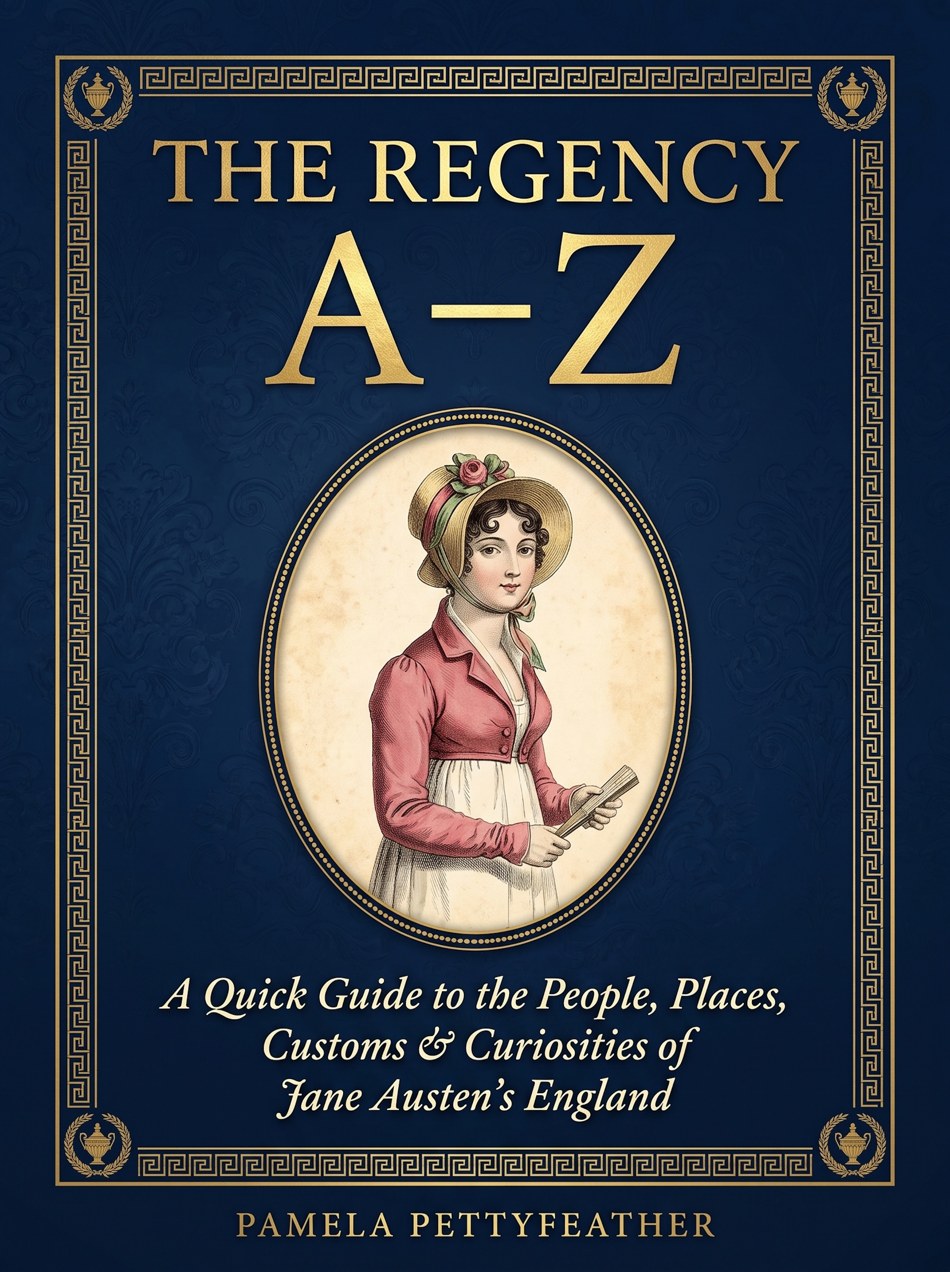
The Regency A–Z
A reader’s guide to the titles, customs, and social rules that shape a Regency courtship.
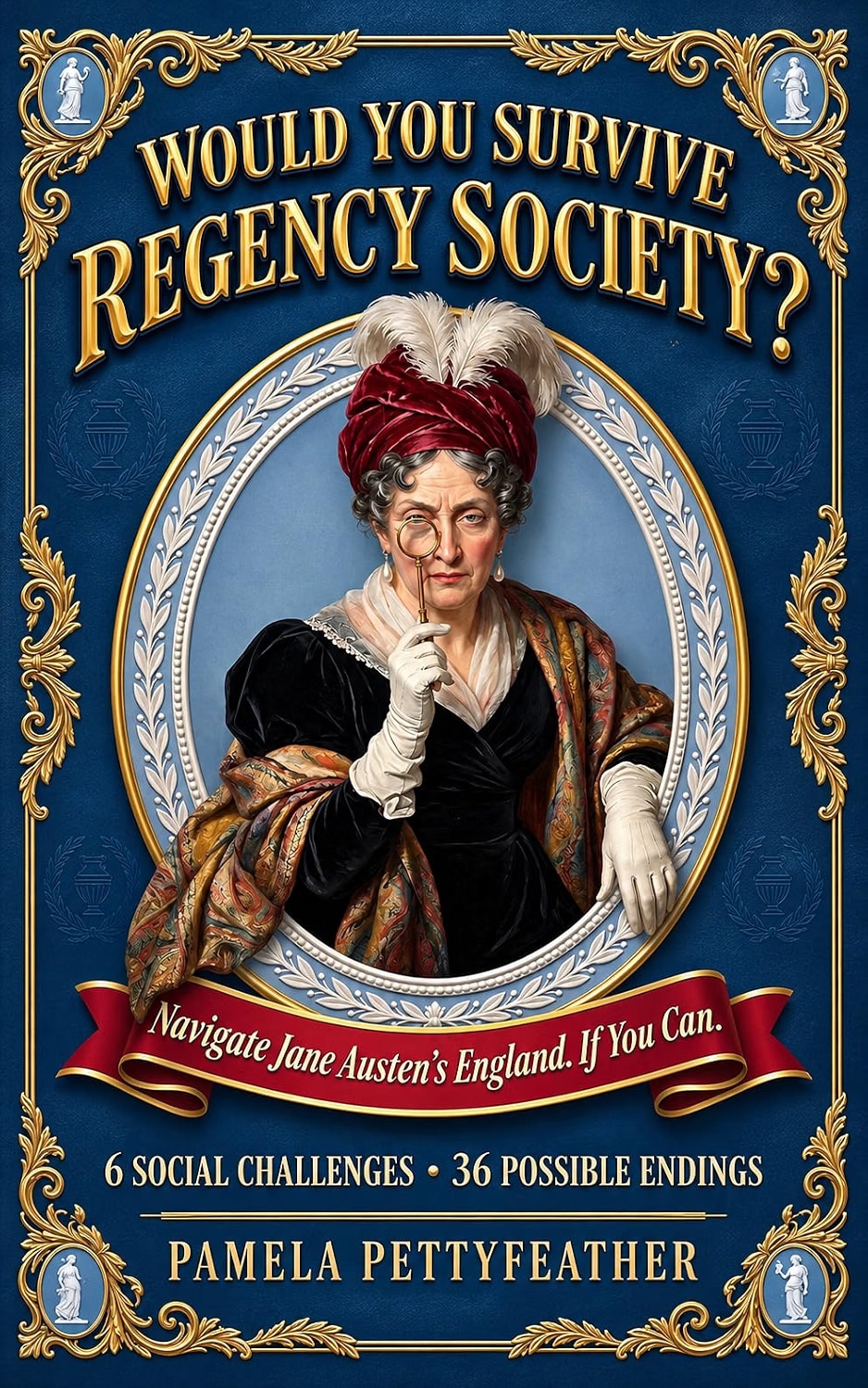
Would You Survive Regency Society?
Make your own choices in an interactive adventure and see how you fare in a world where reputation can change with a single introduction.
Explore the history of historical romance · Browse the Historical Romance drawer